

Here is a list of Cameroon’s major industrial agricultural products and an overview of global supply and demand trends for those with high profitability potential.
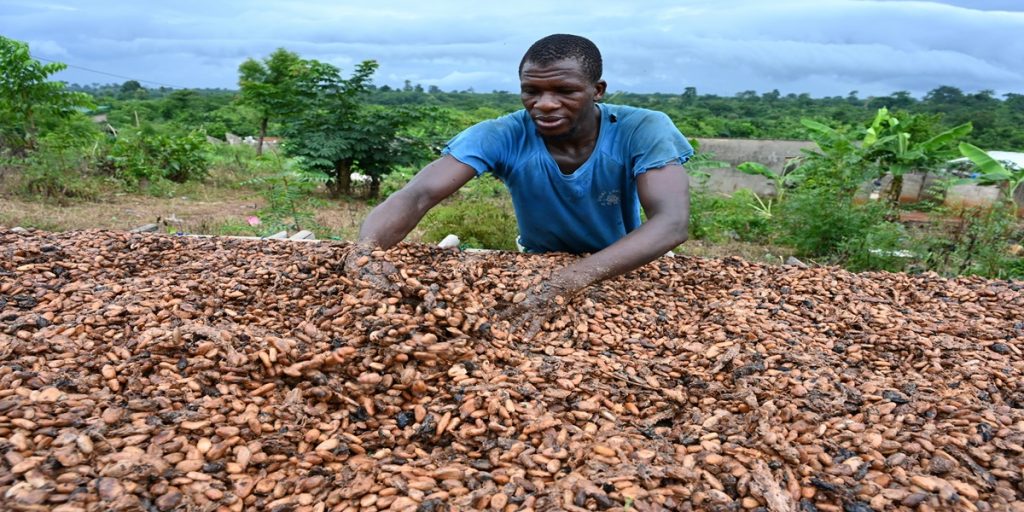
• Production: Cameroon is the world’s 5th largest producer of cocoa, with an annual production of around 290,000 tonnes.
• Global demand: Cocoa is mainly used in the production of chocolate. Global demand for cocoa has increased in recent years, particularly with the growing demand for chocolate in Asia.
• Profitability potential: Very high, with exports to Europe and North America accounting for most of global demand.
• Global demand: Cocoa is mainly used in the production of chocolate. Global demand for cocoa has increased in recent years, particularly with the growing demand for chocolate in Asia.
• Profitability potential: Very high, with exports to Europe and North America accounting for most of global demand.
• Production: Cameroon produces two types of coffee: Arabica and Robusta, with an annual production of about 45,000 tons.
• Global demand: Global coffee consumption continues to increase, particularly in Asia, Europe and North America.
• Profitability potential: Medium to high. Demand is constant, but competition is strong with other major producers such as Brazil and Vietnam.
• Global demand: Global coffee consumption continues to increase, particularly in Asia, Europe and North America.
• Profitability potential: Medium to high. Demand is constant, but competition is strong with other major producers such as Brazil and Vietnam.
• Production: About 400,000 tons of palm oil are produced in Cameroon each year.
• Global demand: Palm oil is widely used in the food industry, cosmetics and biofuels. Global demand remains strong, despite environmental controversies.
• Profitability potential: High. Global demand continues to grow, particularly in Asia for food and cosmetics.
• Global demand: Palm oil is widely used in the food industry, cosmetics and biofuels. Global demand remains strong, despite environmental controversies.
• Profitability potential: High. Global demand continues to grow, particularly in Asia for food and cosmetics.
• Production: Cameroon produces about 300,000 tons of bananas per year, mainly exported to Europe.
• Global demand: Demand for bananas remains stable worldwide, particularly in Europe.
• Profitability potential: High, due to constant demand and export potential to European markets.
• Global demand: Demand for bananas remains stable worldwide, particularly in Europe.
• Profitability potential: High, due to constant demand and export potential to European markets.
• Production: Annual cotton production in Cameroon is about 300,000 tons.
• Global demand: Demand for cotton is increasing, especially in the textile industry in Asia and America.
• Profitability potential: High, with strong demand from the global textile industry.
• Global demand: Demand for cotton is increasing, especially in the textile industry in Asia and America.
• Profitability potential: High, with strong demand from the global textile industry.
• Production: Natural rubber production in Cameroon is about 80,000 tons per year.
• Global demand: Natural rubber is widely used in the automotive industry and in the manufacturing of rubber products.
• Profitability potential: High, due to the growing demand from the automotive and manufacturing industries.
• Global demand: Natural rubber is widely used in the automotive industry and in the manufacturing of rubber products.
• Profitability potential: High, due to the growing demand from the automotive and manufacturing industries.
• Production: Approximately 5,000 tonnes of tea are produced each year.
• Global demand: Global demand for tea, particularly in Asia and Europe, remains strong and continues to increase.
• Profitability potential: Medium, although growing demand in Europe and Asia could provide long-term opportunities.nded!
• Global demand: Global demand for tea, particularly in Asia and Europe, remains strong and continues to increase.
• Profitability potential: Medium, although growing demand in Europe and Asia could provide long-term opportunities.nded!
• Production: Cameroon produces about 2 million tons of Corn each year.
• Global demand: Corn is one of the world’s major crops, with high demand in the agri-food industry and for animal feed.
• Profitability potential: High, due to the constant demand for animal feed and biofuels.
• Global demand: Corn is one of the world’s major crops, with high demand in the agri-food industry and for animal feed.
• Profitability potential: High, due to the constant demand for animal feed and biofuels.
• Production: Unique product in Cameroon, with about 300 tons exported each year.
• Global demand: Increasing due to the global recognition of Penja pepper as a premium product.
• Profitability potential: Very high, with growing demand in the gastronomic and luxury spice sectors.ecommended!
• Global demand: Increasing due to the global recognition of Penja pepper as a premium product.
• Profitability potential: Very high, with growing demand in the gastronomic and luxury spice sectors.ecommended!
• Production: Cameroon produces about 250,000 tons of pineapple per year.
• Global demand: Global demand for tropical fruits, including pineapple, is increasing, particularly in Europe and North America.
• Profitability potential: High, due to European markets that are keen on tropical fruits.
• Global demand: Global demand for tropical fruits, including pineapple, is increasing, particularly in Europe and North America.
• Profitability potential: High, due to European markets that are keen on tropical fruits.
Global Trends
Global demand for Cameroon’s agricultural products is steadily increasing, particularly for cocoa, palm oil, and Penja pepper, products that are internationally prized for their specific qualities. The Cameroonian government has implemented several initiatives, such as promoting private investment and public-private partnerships, to increase production and improve the competitiveness of agricultural products on the global market.
These products represent significant profitability opportunities for investors interested in Cameroon’s agribusiness.