
Investment



Incentives:
Tax exemptions for agricultural inputs and equipment.
Long-term land leasing arrangements at subsidized rates.
Government support for food security and export-driven agribusiness.
Projects: The government is promoting the establishment of large-scale farms and agro-processing plants. Investors are encouraged to develop agricultural hubs across different regions.
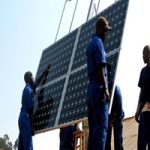
Incentives:
Tax holidays of 5 to 10 years for energy projects.
Customs duty exemptions for the importation of energy equipment.
Public-private partnerships (PPP) for large-scale energy infrastructure projects.
Key Projects:
The Nachtigal Hydropower Project, expected to generate 420 MW.
Solar energy projects in the northern regions.
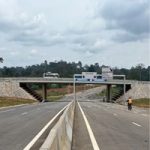
Incentives:
Government support through the Public Investment Budget.
Tax reductions for infrastructure companies, particularly those operating in special economic zones.
Key Projects:
Completion of 700 km of road construction, including the Ebolowa-Kribi stretch.
Expansion of the Kribi Deep Sea Port and the rehabilitation of Tiko and Bertoua Airports.
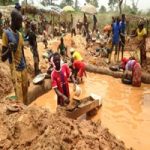
Incentives:
Reduced tax rates for companies involved in mineral exploration and processing.
Long-term mining permits with tax stability agreements.
Exemption from customs duties on imported mining equipment.
Key Projects:
The development of the Kribi-Lobe iron ore project and the Mbalam-Nabeba iron ore project, which include the construction of railway lines and processing plants.

Incentives:
Tax exemptions for companies investing in broadband infrastructure and telecommunication services.
Support for tech startups and innovation hubs through incubation programs.
Key Projects:
Expansion of broadband services to rural areas, targeting a 65% mobile penetration rate and 40,000 villages connected by 2025.
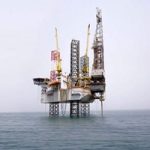
Incentives:
Tax incentives and fiscal stability agreements for oil and gas exploration.
Simplified licensing procedures for foreign companies.
Key Projects:
Expansion of natural gas processing for domestic use and export.

Incentives:
Tax incentives for hotel construction and tourism-related services.
Support for public-private partnerships in the development of tourism infrastructure.
Key Projects:
Development of eco-tourism projects in national parks and wildlife reserves.
Construction of hotels, resorts, and tourism infrastructure in key cities and regions (e.g., Kribi, Douala, Yaoundé).
Promotion of cultural tourism, highlighting Cameroon’s rich heritage and festivals.
Incentives:
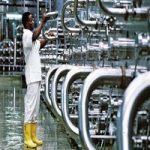
Tax holidays and reduced corporate taxes for companies operating in free trade zones and industrial parks.
Customs exemptions on imported machinery and raw materials.
Key Projects:
Establishment of manufacturing plants for consumer goods, building materials, and pharmaceuticals.
Investment in special industrial zones dedicated to manufacturing and export-oriented businesses.

Incentives:
Support for microfinance institutions and regulations that facilitate the growth of fintech companies.
Key Projects:
Expansion of retail banking and development of innovative financial products (e.g., mobile banking, microfinance).
Investment in insurance companies and services catering to the growing middle class.
Development of fintech solutions to enhance financial inclusion, particularly in rural areas.

Investment Framework in Cameroon
Cameroon offers a comprehensive legal and institutional framework for local and international investors. The country’s approach aims to attract investments in key sectors such as agriculture, energy, infrastructure, and manufacturing. Below are the core laws, incentives, and facilities established by the government to fast-track investments.

Key Investment Laws
Cameroonian Investment Charter: This is the primary legal framework that governs investments. It outlines the rights and obligations of investors including:
Equal Treatment: Both foreign and local investors receive the same legal protection and benefits.
Property Protection: Investors have the right to property ownership…

Government Incentives for Investors
Tax Exemptions and Reductions:
Tax Holidays: Investors benefit from corporate tax exemptions for the first 5 to 10 years depending on the investment sector.
Reduced Corporate Tax: Investors enjoy reduced corporate tax rates.

Administrative Support and Fast-Tracking Investments
Investment Promotion Agency (API):
The Cameroon Investment Promotion Agency (API) is the government body responsible for assisting investors. It provides a one-stop-shop service for:
Registering businesses.