
Opportunities

Products: SABC, a subsidiary of Castel Group, is one of the largest players in the agro-industry in Cameroon. It mainly focuses on the production of beverages (beers, sodas, mineral waters) from agricultural products such as corn and sugar cane.
Market share: In the beverage sector, SABC dominates with about 70% of the beer and soda market.
Market share: In the beverage sector, SABC dominates with about 70% of the beer and soda market.
Products: Banana, rubber, palm oil. CDC is the second largest agro-industrial company in Cameroon after SOCAPALM. It manages large banana, rubber and palm oil plantations.
Market share: CDC is a key player in the banana market, accounting for approximately 30% of Cameroon’s banana exports.
Market share: CDC is a key player in the banana market, accounting for approximately 30% of Cameroon’s banana exports.
Products: Crude palm oil and derivatives (refined oil, soaps). SOCAPALM is one of the largest producers of palm oil in Cameroon, representing approximately 40% of national production.
Market share: SOCAPALM controls a significant share of the palm oil market, with several plantations in the coastal and southern regions of Cameroon.
Market share: SOCAPALM controls a significant share of the palm oil market, with several plantations in the coastal and southern regions of Cameroon.
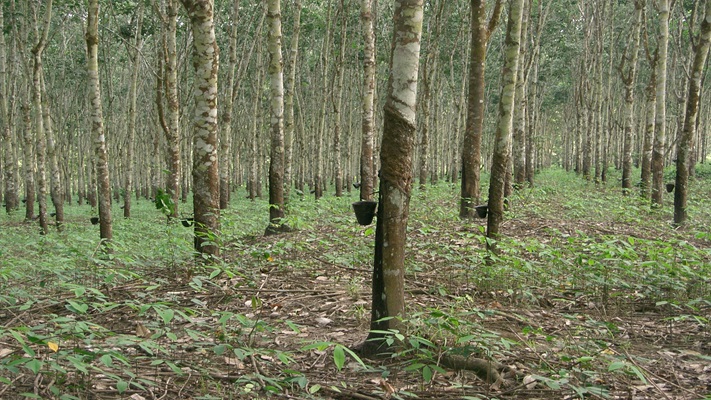
Products: Hevea (rubber). HEVECAM is one of the largest producers of rubber in Cameroon, with thousands of hectares of plantations in the Southern region.
Market share: HEVECAM covers a large share of the national market and also exports rubber internationally, representing approximately 60% of national rubber production.
Market share: HEVECAM covers a large share of the national market and also exports rubber internationally, representing approximately 60% of national rubber production.
Products: Cosmetic products based on local raw materials such as cocoa and shea.
Market share: BIOPHARMA is a major player in the cosmetics sector with a strong presence on the national market and in the sub-region.
Market share: BIOPHARMA is a major player in the cosmetics sector with a strong presence on the national market and in the sub-region.
Products: Dessert banana. PHP is the largest producer and exporter of dessert bananas in Cameroon, with plantations located in the Penja region.
Market share: PHP controls approximately 45% of banana exports in Cameroon, making it a dominant player in this sector.
Market share: PHP controls approximately 45% of banana exports in Cameroon, making it a dominant player in this sector.
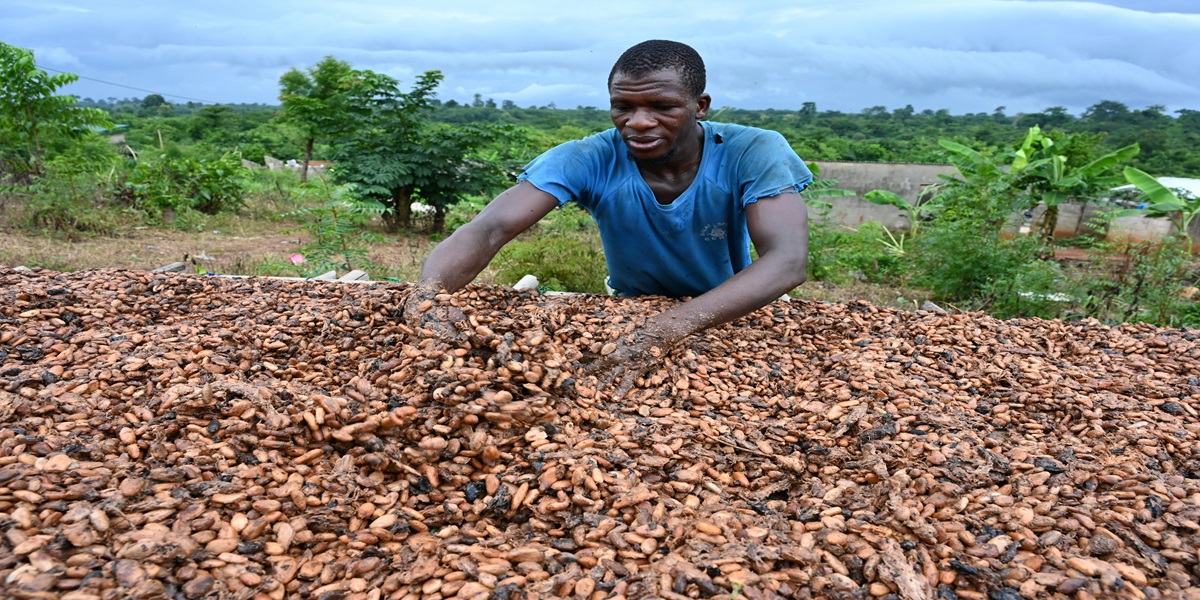
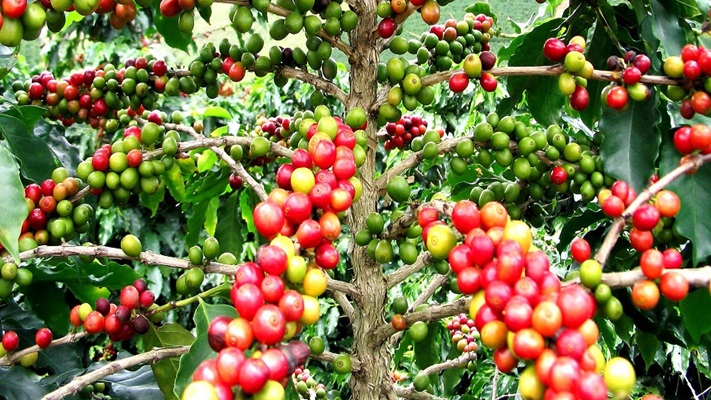
Products: Cocoa and coffee. Cargill is a major player in the purchase, processing, and export of Cameroonian cocoa. It also supports small producers through sustainable development initiatives.
Market share: Cameroon produces approximately 600,000 tons of cocoa, and Cargill plays a crucial role in exporting to international markets.
Market share: Cameroon produces approximately 600,000 tons of cocoa, and Cargill plays a crucial role in exporting to international markets.
Products: Vegetable oils, mainly soy and palm based. SAR is a major player in the refining of vegetable oils in Cameroon.
Market share: The company covers a large part of the edible oil market in Cameroon, alongside SOCAPALM.
Market share: The company covers a large part of the edible oil market in Cameroon, alongside SOCAPALM.
Products: Milk, dairy products (yogurt, butter, cheese). Ferme Suisse is one of the leaders in the dairy products sector in Cameroon.
Market share: This local producer holds a notable position in the processed dairy products segment, although it faces competition from imports.
Market share: This local producer holds a notable position in the processed dairy products segment, although it faces competition from imports.
Various actors: Several SMEs are involved in the processing of corn and cassava into flour, starch and other derivative products, some of which benefit from government programs to support local production and reduce dependence on imports.
National Development Strategy 2020-2030 (SND30): This plan includes initiatives to support agro-industry, including mechanization programs, modernization of rural infrastructure, and encouragement of local processing of agricultural products.
Agropoles: The government has set up agropole projects to modernize agricultural production, increase local processing, and create special economic zones dedicated to agro-industry.
Subsidies and Financing: Farmers benefit from subsidies for the purchase of machinery and improved seeds. Financing is also provided to promote the installation of local processing units.
Agropoles: The government has set up agropole projects to modernize agricultural production, increase local processing, and create special economic zones dedicated to agro-industry.
Subsidies and Financing: Farmers benefit from subsidies for the purchase of machinery and improved seeds. Financing is also provided to promote the installation of local processing units.






Production: Cassava is one of the main staple crops in Cameroon, with an annual production of about 5.5 million tons.
Demand: Very high demand on the local and regional market for human consumption (gari, tapioca) as well as in the starch industry.
Potential: Cassava is widely consumed in Africa and its transformation into derived products (starch, flour) offers opportunities for valorization.
Demand: Very high demand on the local and regional market for human consumption (gari, tapioca) as well as in the starch industry.
Potential: Cassava is widely consumed in Africa and its transformation into derived products (starch, flour) offers opportunities for valorization.
Production: Cameroon produces about 300,000 tons of yams each year.
Demand: Highly prized in local and regional cuisines. Exported to markets such as Europe where the African diaspora constitutes a significant consumer base.
Potential: Yams are a staple food in West Africa and their consumption continues to grow.
Demand: Highly prized in local and regional cuisines. Exported to markets such as Europe where the African diaspora constitutes a significant consumer base.
Potential: Yams are a staple food in West Africa and their consumption continues to grow.
Production: Sweet potato production is about 1.1 million tons in Cameroon.
Demand: Highly demanded on the local market for direct consumption and as an ingredient in various local dishes.
Potential: In addition to human consumption, there are prospects in processing into flour and derived products.
Demand: Highly demanded on the local market for direct consumption and as an ingredient in various local dishes.
Potential: In addition to human consumption, there are prospects in processing into flour and derived products.
Production: Annual production is about 300,000 tons.
Demand: Consumed locally as roasted peanuts, peanut paste, and peanut oil. Export to regional markets in Central Africa.
Potential: Processing into peanut oil and peanut butter has potential to increase value addition.
Demand: Consumed locally as roasted peanuts, peanut paste, and peanut oil. Export to regional markets in Central Africa.
Potential: Processing into peanut oil and peanut butter has potential to increase value addition.
Production: Cameroon is one of the producers of ginger in Central Africa.
Demand: In high demand for local cuisine and for export to Europe and Asia, where ginger is used in spices and natural medicine.
Potential: Ginger has potential for processing into essential oil and medicinal products.
Demand: In high demand for local cuisine and for export to Europe and Asia, where ginger is used in spices and natural medicine.
Potential: Ginger has potential for processing into essential oil and medicinal products.
Production: Cameroon produces about 1.8 million tons of plantains per year.
Demand: Strong local demand for direct consumption in the form of fried, boiled or braised plantains.
Potential: Plantains are a staple food and their processing into by-products such as plantain flour for export is a growing opportunity.
Demand: Strong local demand for direct consumption in the form of fried, boiled or braised plantains.
Potential: Plantains are a staple food and their processing into by-products such as plantain flour for export is a growing opportunity.
Mangoes: Highly prized in local markets and in Europe.
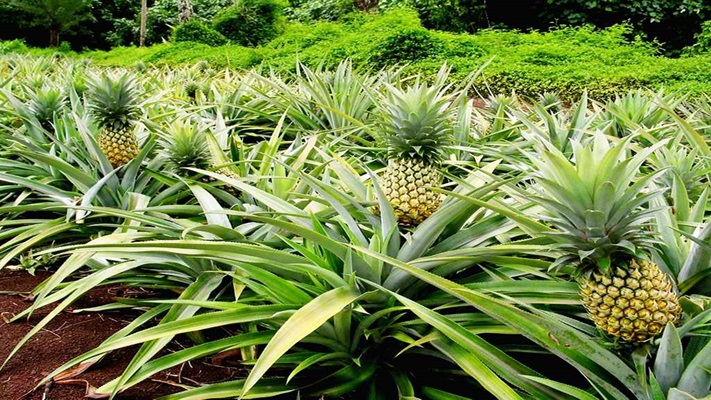
Pineapple: Although mentioned as an industrial product, it is also consumed as a fresh fruit.
Papaya: Used in juices and sold in regional markets.
Pineapple: Although mentioned as an industrial product, it is also consumed as a fresh fruit.
Papaya: Used in juices and sold in regional markets.
Production: Cameroon is a major producer of kola nut, used in beverages and energy products.
Demand: Strong demand in West Africa for direct consumption and in the beverage industry.
Potential: Kola nut has a stable demand with cultural and economic importance in West Africa.
Demand: Strong demand in West Africa for direct consumption and in the beverage industry.
Potential: Kola nut has a stable demand with cultural and economic importance in West Africa.
Production: Cameroon produces several varieties of beans, with an annual production of about 200,000 tons.
Demand: Consumed locally and exported to neighboring countries. Beans are also used in traditional dishes.
Potential: Pulses have strong potential, especially for export to markets where demand for plant-based protein sources is increasing.
Demand: Consumed locally and exported to neighboring countries. Beans are also used in traditional dishes.
Potential: Pulses have strong potential, especially for export to markets where demand for plant-based protein sources is increasing.
Production: Growing, sesame is a developing crop with high demand in the oil and food industry.
Demand: Highly demanded in international markets for its use in food, oil and cosmetic products.
Demand: Highly demanded in international markets for its use in food, oil and cosmetic products.