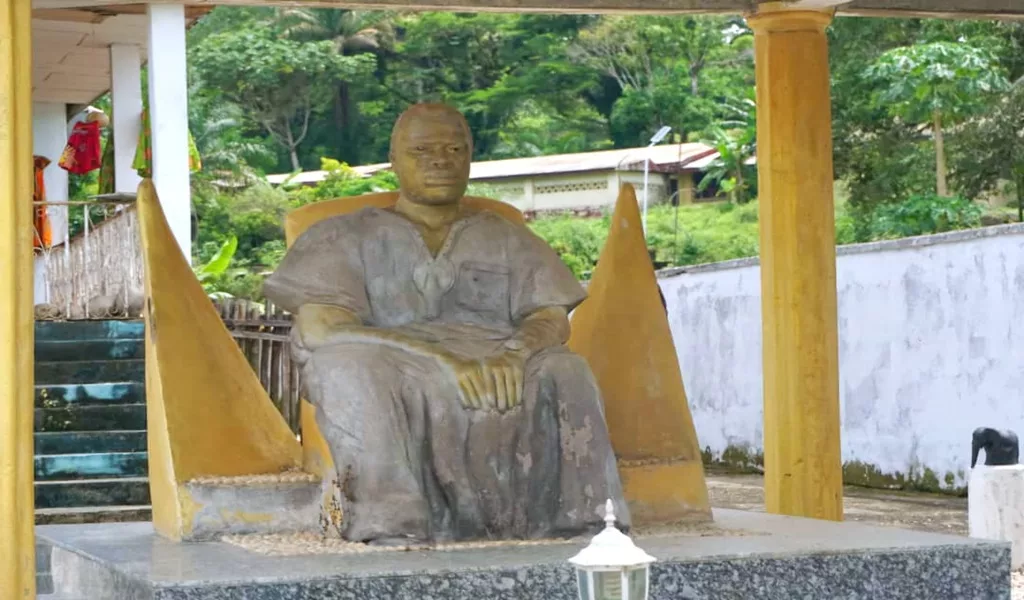

Limbe, formerly Victoria from 1857 to 1982, is a coastal town in Cameroon located on the Bight of Biafra, at the foot of Mount Cameroon. Founded by the English missionary Alfred Saker, it developed around infrastructures such as churches, schools, hospitals and printing presses, built on land acquired from King William I of Bimbia. In 1958, a monument in tribute to Saker was inaugurated to celebrate the centenary of the town.
Touristically, Limbe offers a variety of attractions, including the slave-trading village of Bimbia (a UNESCO World Heritage Site candidate), botanical gardens, and the Limbe Wildlife Center, which houses rare animal species. The black sand beaches and the warm welcome of the locals add to its appeal. The city also has several monuments and sites of interest, such as the port, the fish market, and various historical monuments.
Limbe is distinguished by its black sand beaches and proximity to the volcanic chain, sharing with Kribi the title of popular seaside resort in Cameroon. Natural parks, such as the Limbe Wildlife Center and the botanical garden, add to its tourist potential, attracting visitors with its biodiversity and landscapes.
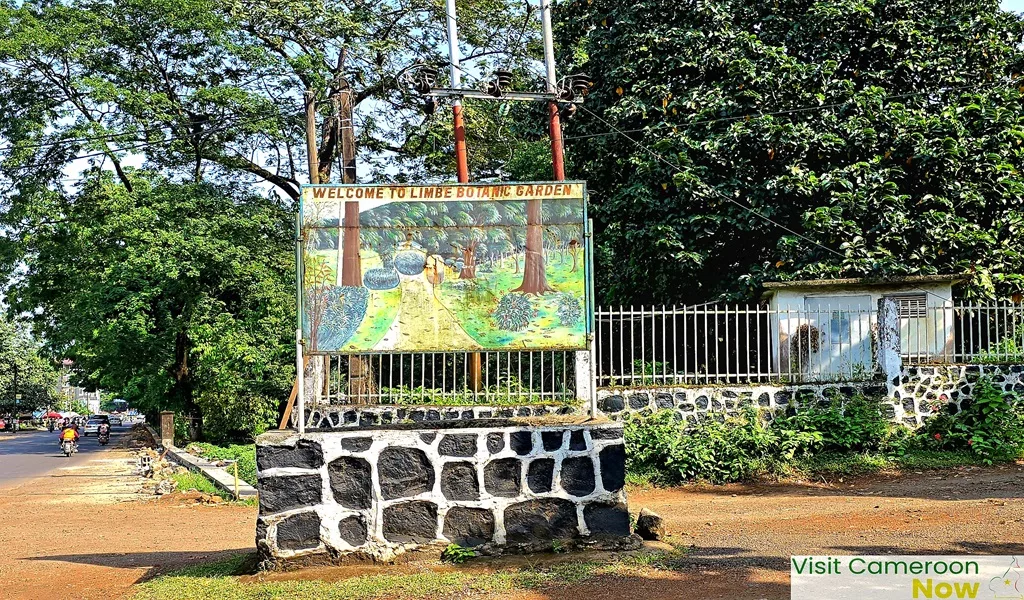
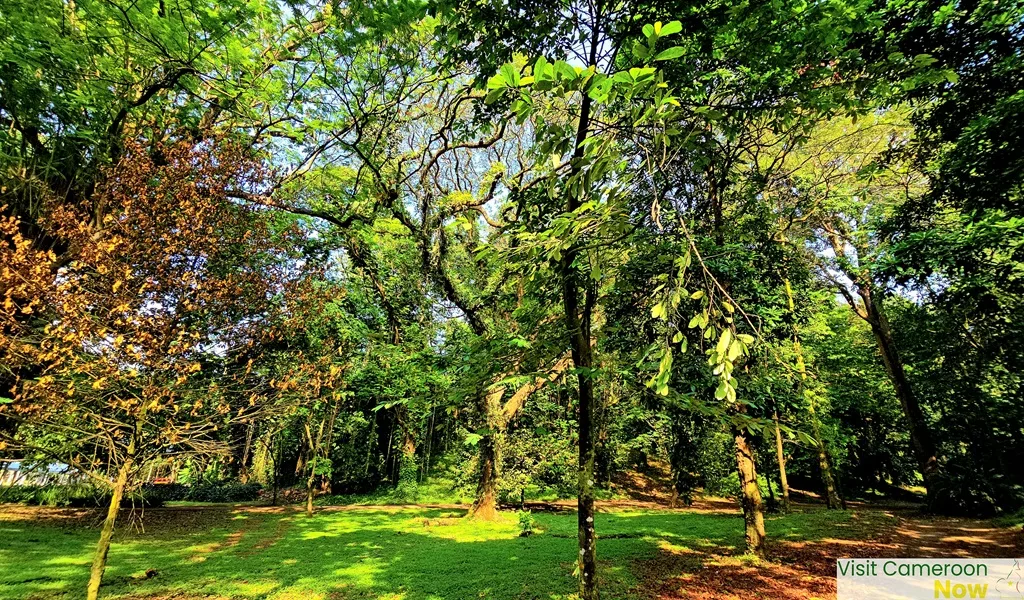
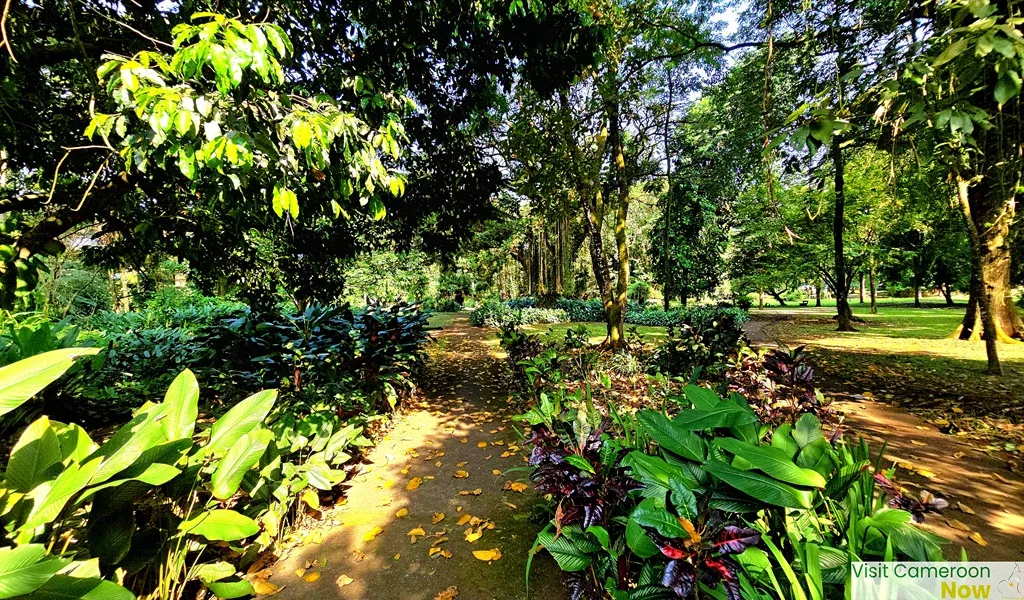
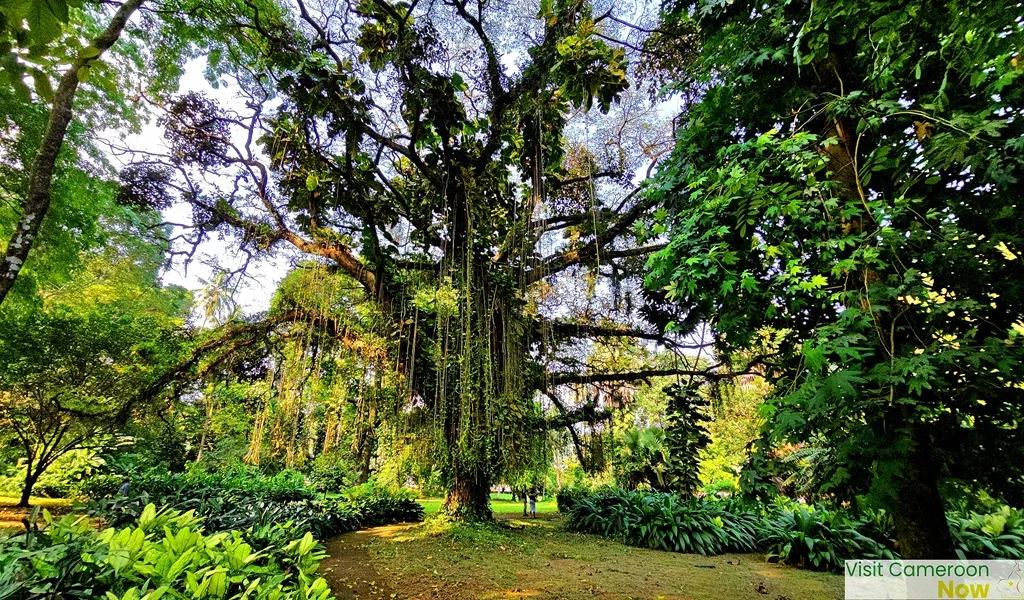
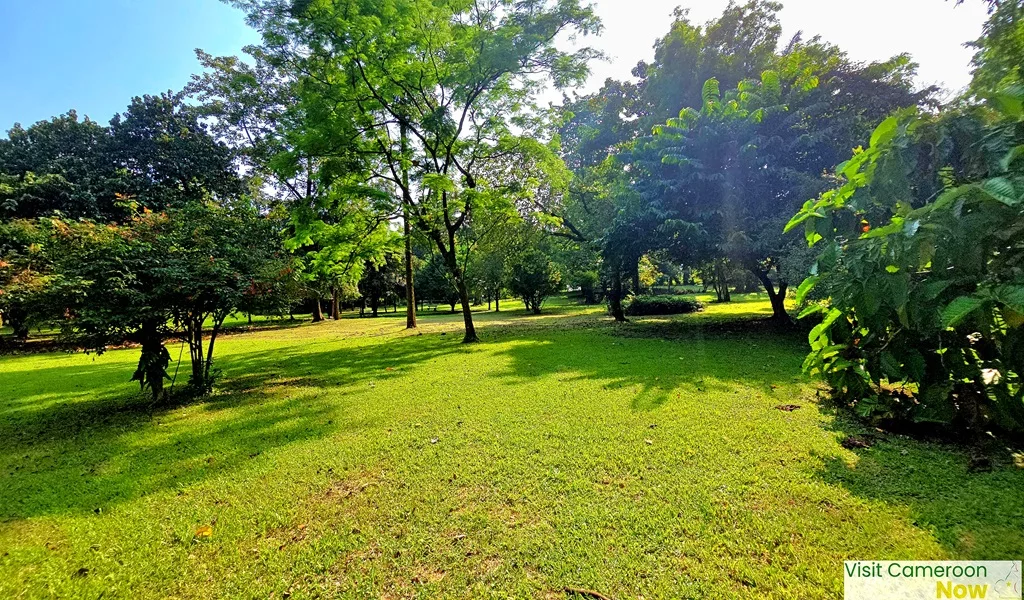
The Limbe Botanical Garden, created in 1892 by a German horticulturist, is the oldest botanical garden in Africa and covers 48 hectares. Designed to acclimatize plants such as quinine, rubber, coffee, banana and cocoa to the Cameroonian climate, it is now home to around 1,000 species of plants and 500 species of trees. The site is also an international center for biodiversity research.
Trails have been developed for visitors, including:
The coastal trail: offers a view of the western part of the garden.
The biodiversity trail: allows you to explore the richness of flora and fauna.
The Bota trail: allows you to discover large trees and wildlife.
The trail along the river: encounter century-old trees and plants.
The coastal trail: offers a view of the western part of the garden.
The biodiversity trail: allows you to explore the richness of flora and fauna.
The Bota trail: allows you to discover large trees and wildlife.
The trail along the river: encounter century-old trees and plants.