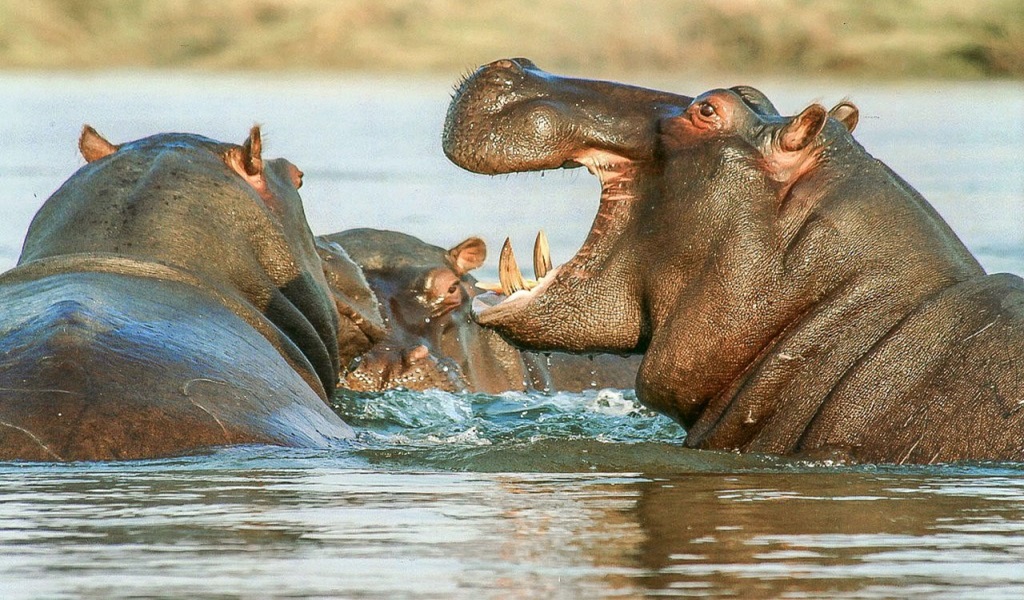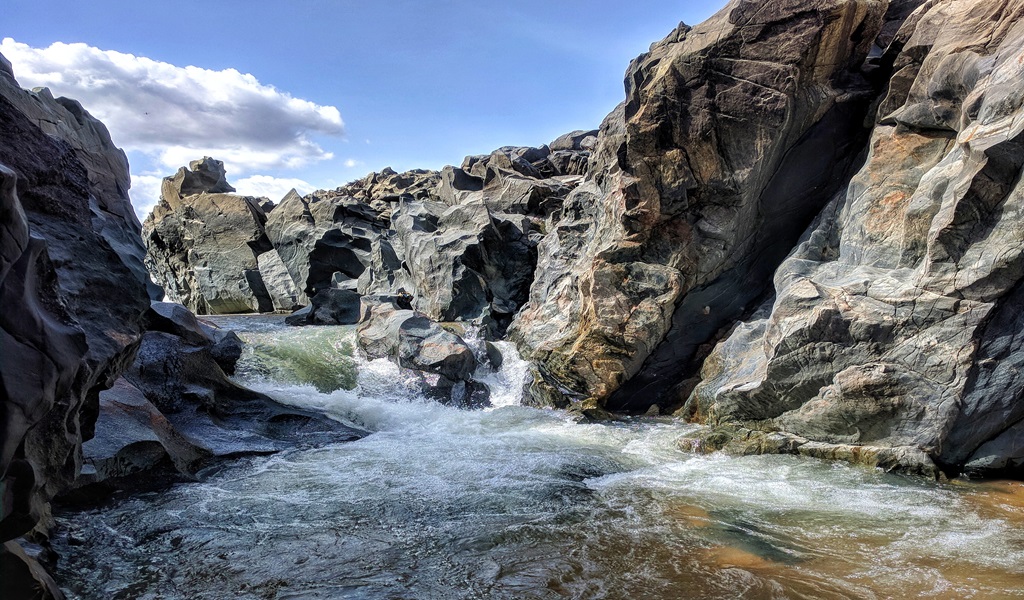


The Benue River is a major river in Africa, 1,400 km long, and the main tributary of the Niger River. It rises in the Adamawa Massif in northern Cameroon, then flows west through diverse regions before joining the Niger River in Nigeria, near Lokoja. Along its course, it passes through ecologically rich areas, including the Benue National Park and the city of Garoua. The region around the Benue River is distinguished by a diversity of landscapes, ranging from wooded savannah to dense forests, and is home to a variety of wildlife, including hippopotamuses that can be seen in the many pools along the river.
Tourist Facilities
Infrastructures have been set up along the river to promote tourism and leisure activities, including:
• Equipped reception structure.
• Bar-restaurant for visitors.
• Jetty for water activities.
• Connection to the electricity network (ENEO).
• Drinking water supply (borehole, water tower and distribution network).
• Access stairs with guardrails to facilitate access to the site.
• Construction of two shelters and installation of ten public benches.
• A leisure area designed for visitors.
Infrastructures have been set up along the river to promote tourism and leisure activities, including:
• Equipped reception structure.
• Bar-restaurant for visitors.
• Jetty for water activities.
• Connection to the electricity network (ENEO).
• Drinking water supply (borehole, water tower and distribution network).
• Access stairs with guardrails to facilitate access to the site.
• Construction of two shelters and installation of ten public benches.
• A leisure area designed for visitors.
Benue National Park
Created in 1968 and declared a biosphere reserve in 1981 by UNESCO, Benue National Park is one of the most biodiverse parks in Cameroon. Located in the Northern Province, about 175 km south of Garoua and 150 km north of Ngaoundere, this park covers 180,000 hectares. It is bordered by the Benue River and is composed of rugged terrain, hills and seasonal rivers called mayos.
Created in 1968 and declared a biosphere reserve in 1981 by UNESCO, Benue National Park is one of the most biodiverse parks in Cameroon. Located in the Northern Province, about 175 km south of Garoua and 150 km north of Ngaoundere, this park covers 180,000 hectares. It is bordered by the Benue River and is composed of rugged terrain, hills and seasonal rivers called mayos.
Fauna and Flora
The park is home to a mosaic of forest and savannah, with a diverse fauna including baboons, elands, warthogs, crocodiles, and of course hippos whose population unfortunately tends to decrease due to the difficult cohabitation with humans. Other species include antelopes, sable antelopes, buffaloes, as well as lions, giraffes, rhinoceroses, and hyenas, although the latter are more shy.
The park’s 250km trails are resurfaced every year after the rains, and the tourist season is usually around February, during the dry season. At this time, the tall grass is burned, making it easier to see animals, particularly around waterholes where buffalo, Buffon’s kob, damalisques, and Derby eland, the largest of the antelopes, gather.
The park is home to a mosaic of forest and savannah, with a diverse fauna including baboons, elands, warthogs, crocodiles, and of course hippos whose population unfortunately tends to decrease due to the difficult cohabitation with humans. Other species include antelopes, sable antelopes, buffaloes, as well as lions, giraffes, rhinoceroses, and hyenas, although the latter are more shy.
The park’s 250km trails are resurfaced every year after the rains, and the tourist season is usually around February, during the dry season. At this time, the tall grass is burned, making it easier to see animals, particularly around waterholes where buffalo, Buffon’s kob, damalisques, and Derby eland, the largest of the antelopes, gather.
Hunting Areas
The Benue National Park also includes nine adjacent hunting areas, offering visitors the opportunity to practice sport hunting in a preserved natural setting. These areas are separated by plains and hills, offering varied panoramas and rich ecosystems.
The park and its periphery benefit from a tropical climate, and its hydrographic network, dominated by the Benue and its tributaries, creates an environment conducive to diverse flora and fauna, thus reinforcing the tourist appeal of the region.
The Benue National Park also includes nine adjacent hunting areas, offering visitors the opportunity to practice sport hunting in a preserved natural setting. These areas are separated by plains and hills, offering varied panoramas and rich ecosystems.
The park and its periphery benefit from a tropical climate, and its hydrographic network, dominated by the Benue and its tributaries, creates an environment conducive to diverse flora and fauna, thus reinforcing the tourist appeal of the region.