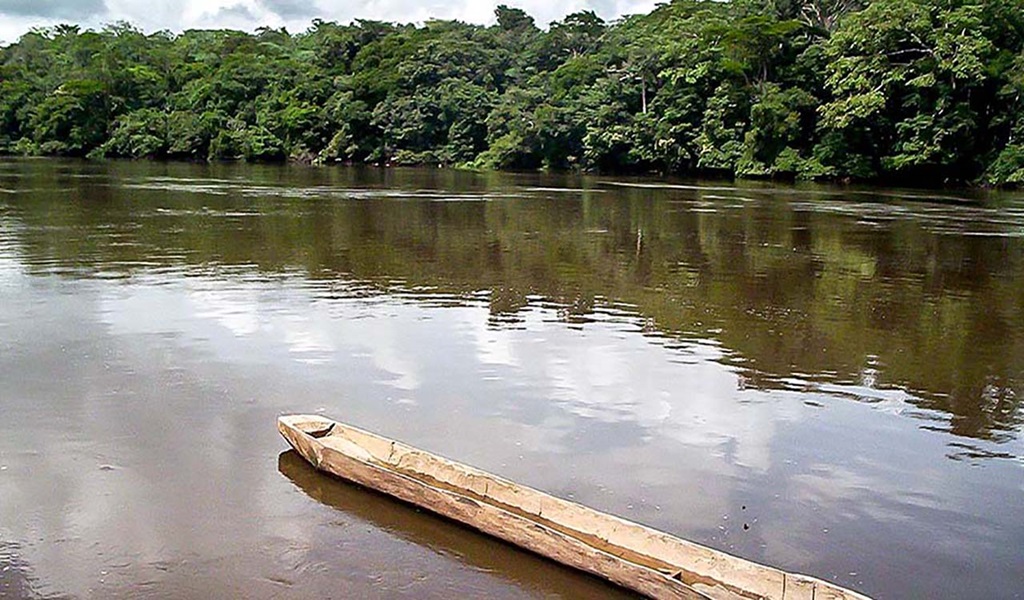


Located in the extreme south-east of Cameroon, is part of the Congo Basin and covers an area of 217,854 hectares. This forest park, created in 2001, is part of the Sangha Trinational (TNS) transboundary initiative, alongside the Dzanga-Sangha Special Reserve (CAR) and the Nouabale-Ndoki National Park (Congo). It is a priority area for the conservation of biodiversity, with marshy clearings that favor the observation of a rich fauna.
Biodiversity: The park is home to:
45 species of mammals (including elephants and lowland gorillas),
305 species of birds,
18 species of reptiles,
16 species of amphibians,
134 species of fish,
215 species of butterflies,
764 species of plants, some of which are endemic.
45 species of mammals (including elephants and lowland gorillas),
305 species of birds,
18 species of reptiles,
16 species of amphibians,
134 species of fish,
215 species of butterflies,
764 species of plants, some of which are endemic.
Tourist attractions: The park is recognized for its ecotourism potential, with lookout points in the clearings to observe wildlife, rivers full of fish, traditional Baka festivals, and local crafts. Investment efforts have been made to develop the park’s infrastructure (bungalows, guides, internet network).
Ecological importance: The park is essential for the preservation of endangered species such as elephants, gorillas, chimpanzees, and for its diverse ecosystems (tropical forests, wetlands, savannahs). It is a key component in the protection of the biodiversity of the Congo Basin.
Tourism: The best time to visit Lobeke is during the dry season, from December to February. The park offers wildlife viewing and guided forest hikes. Accommodation facilities include eco-camps and lodges.
Lobeke National Park, although under development, remains a major destination for the preservation of biodiversity in Cameroon and Central Africa.